The Resource Center Foundation for Public Participation, within the PROTEUS program
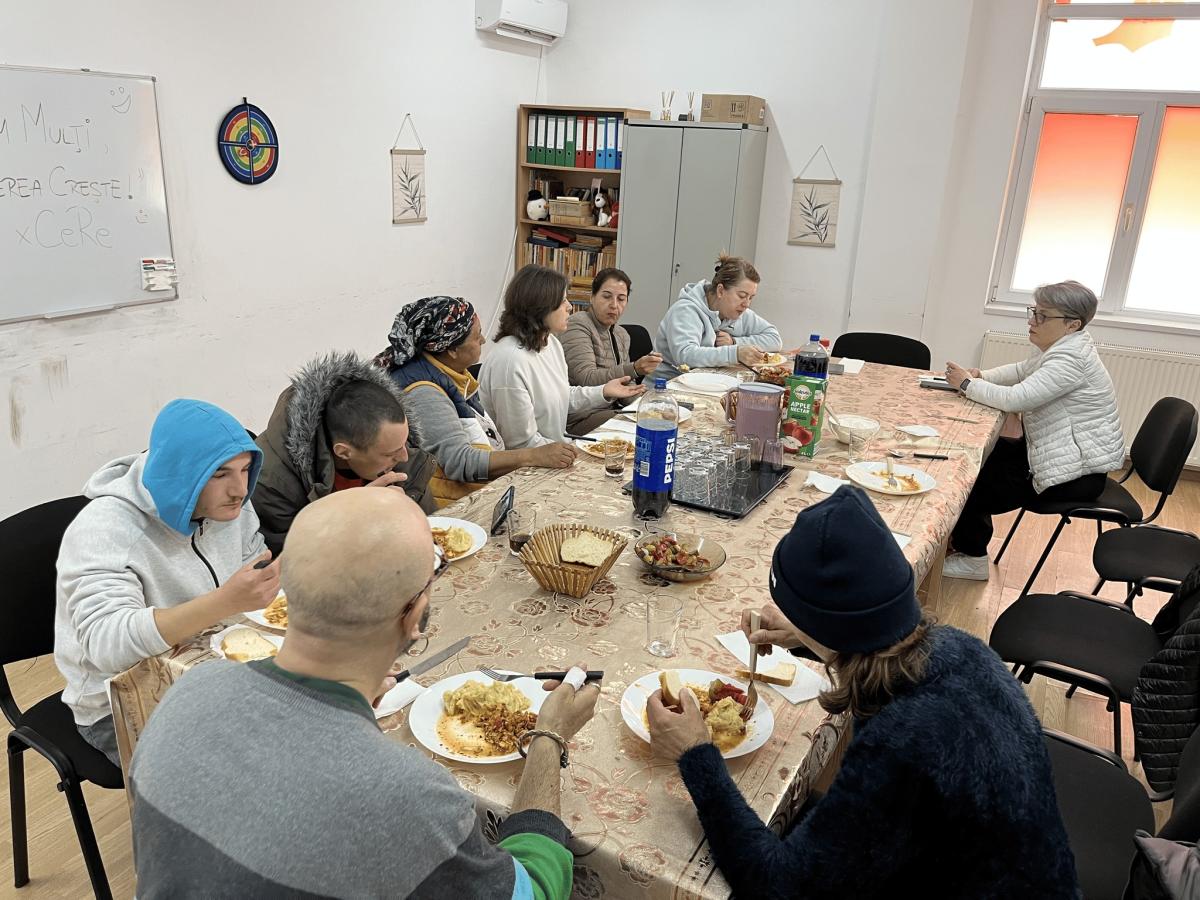
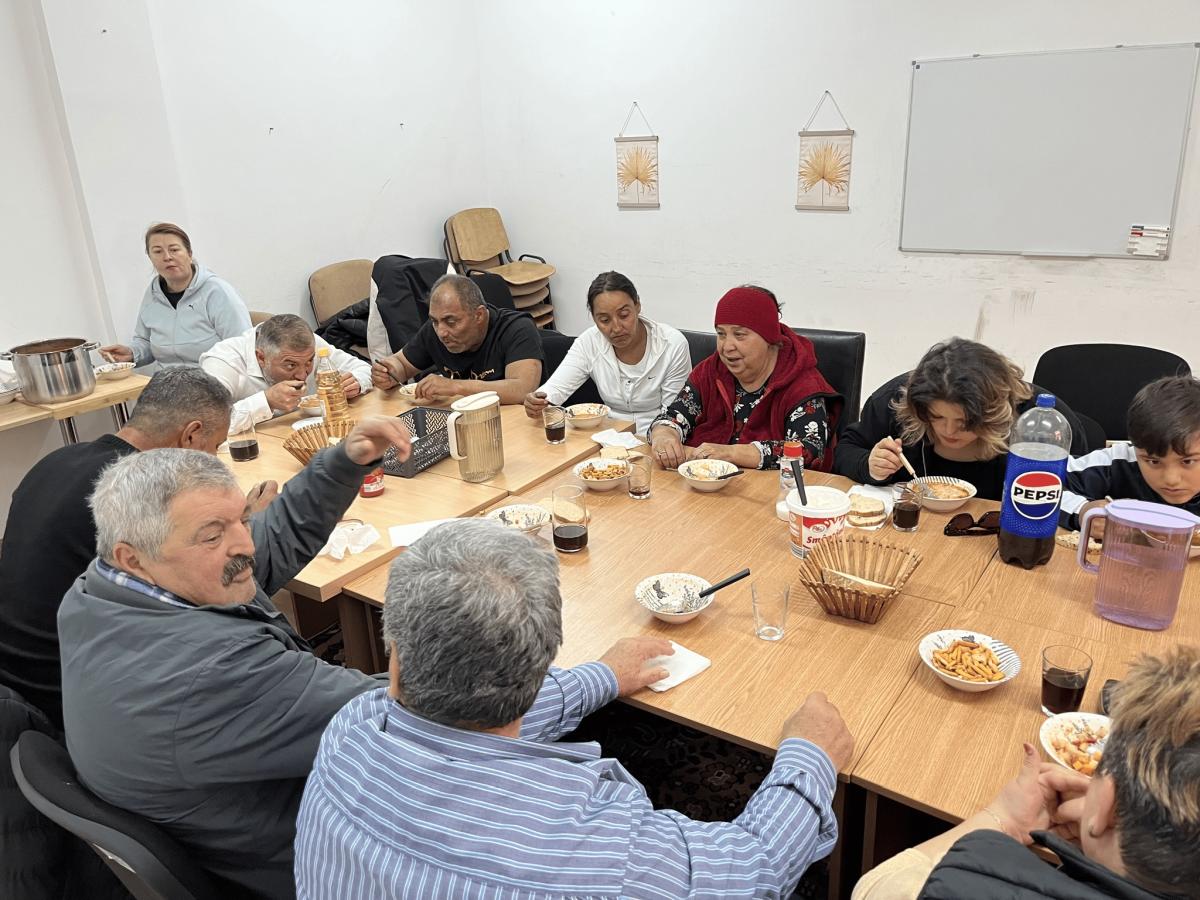
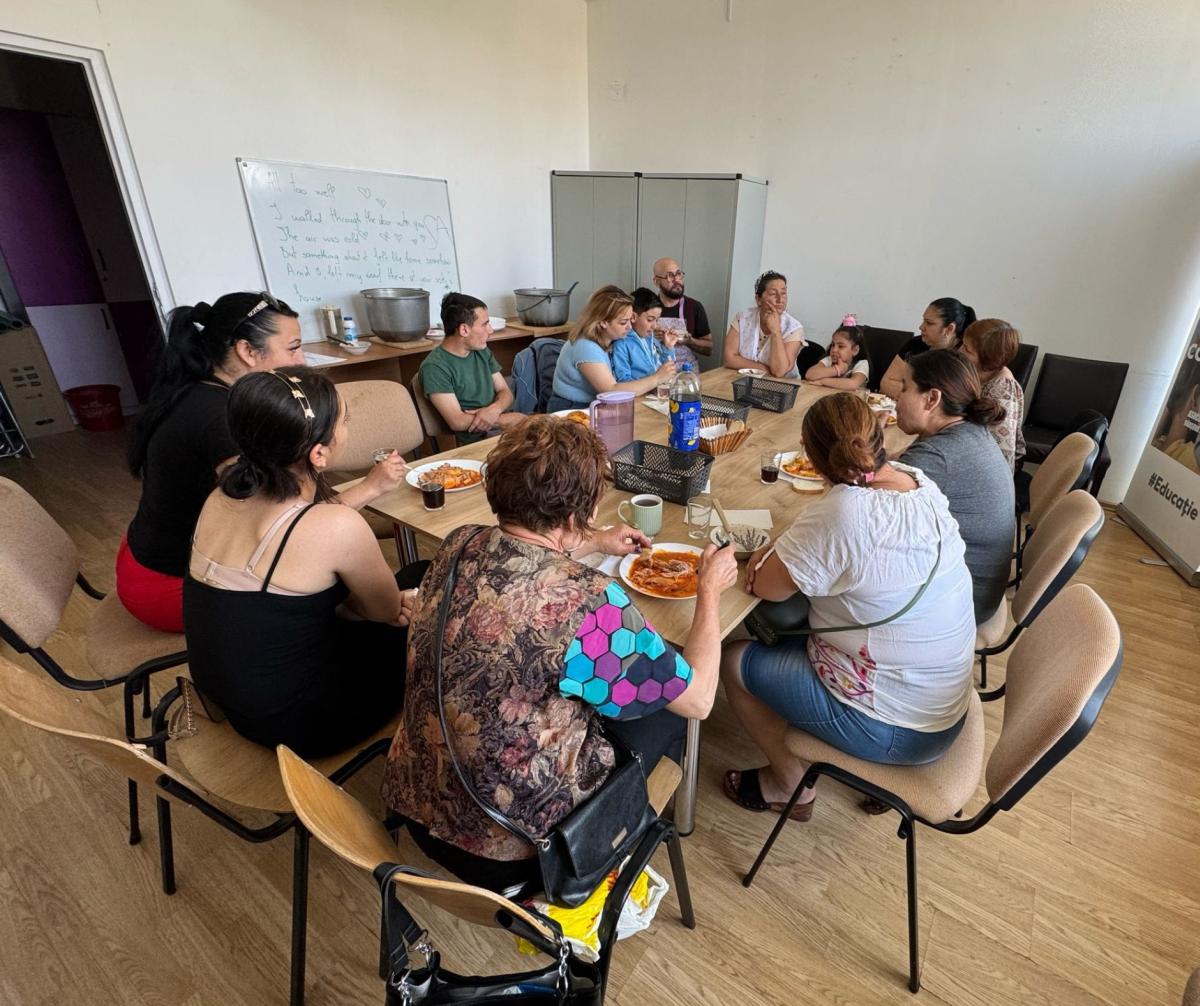
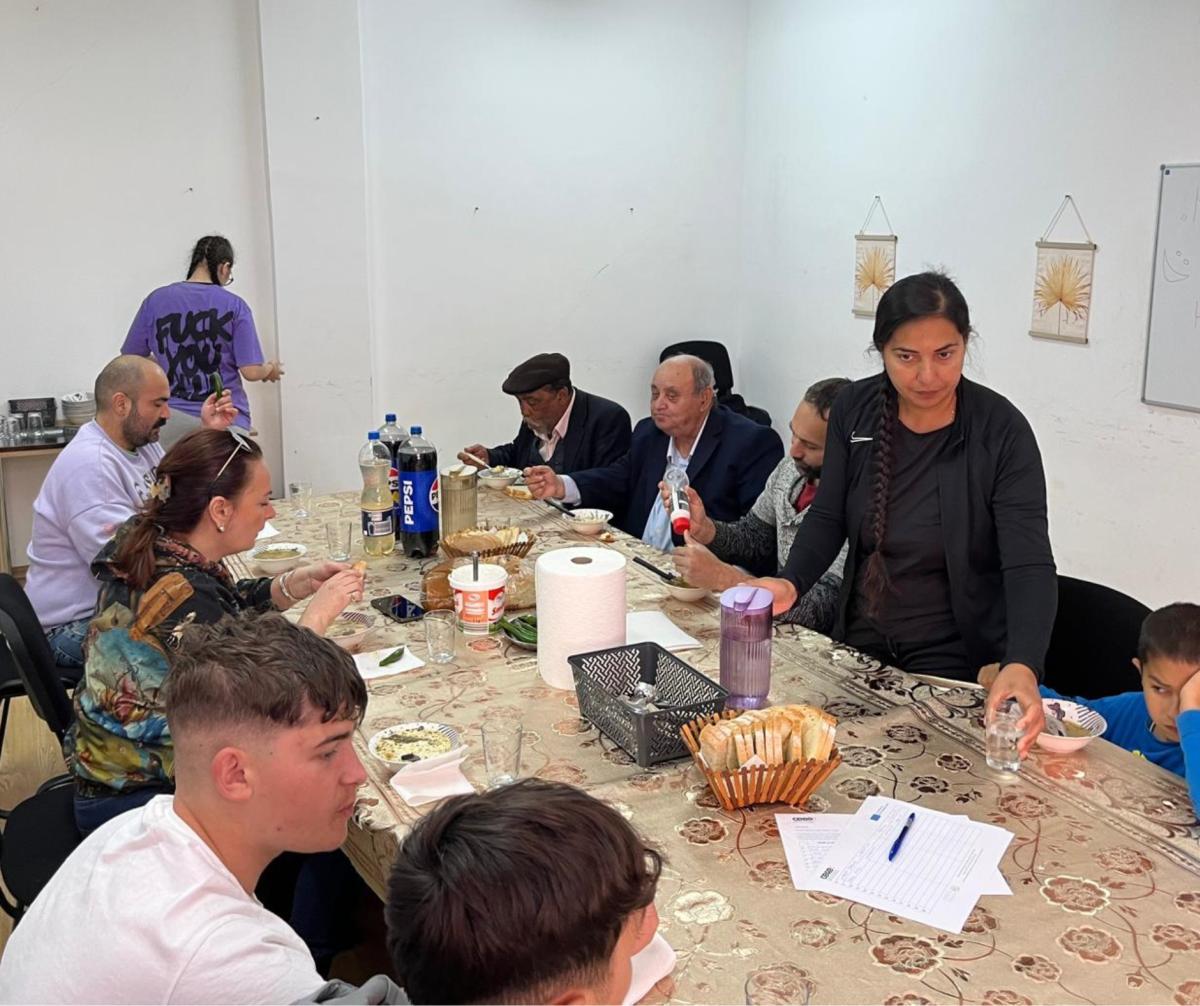
The project aimed to increase cohesion and participatory involvement among the members of the targeted community through a series of community lunches, events that served as a basis for connecting (active) members of the multi-ethnic community that included Romanians, Roma, Tatars and Lipoveans.
This initiative was conceived as a response to the precarious level of civic consciousness, caused by the lack of civic education and functional illiteracy. The community also faces a lack of knowledge of civil rights and a focus on personal subsistence, which limited openness to community life.
A strong disappointment and distrust towards the authorities was also found, and the lack of models of involvement particularly affected the Roma and Tatar groups.
Establishing Communication with Adults: Creating a communication bridge with adults in the targeted community, by organizing the six community lunches, to extend the project’s involvement beyond children and youth.
Identifying Resource Persons: Selecting a group of 6-12 people (ideally 1-2 per event) from the lunch participants, who demonstrate the greatest openness and desire to be involved in community change.
Facilitating Institutional Collaboration: Organizing a meeting with the City Hall and relevant local authorities (Police, Social Assistance Directorate, Hospital, schools) to present the group of resource persons and establish the foundations for a medium and long-term collaboration.
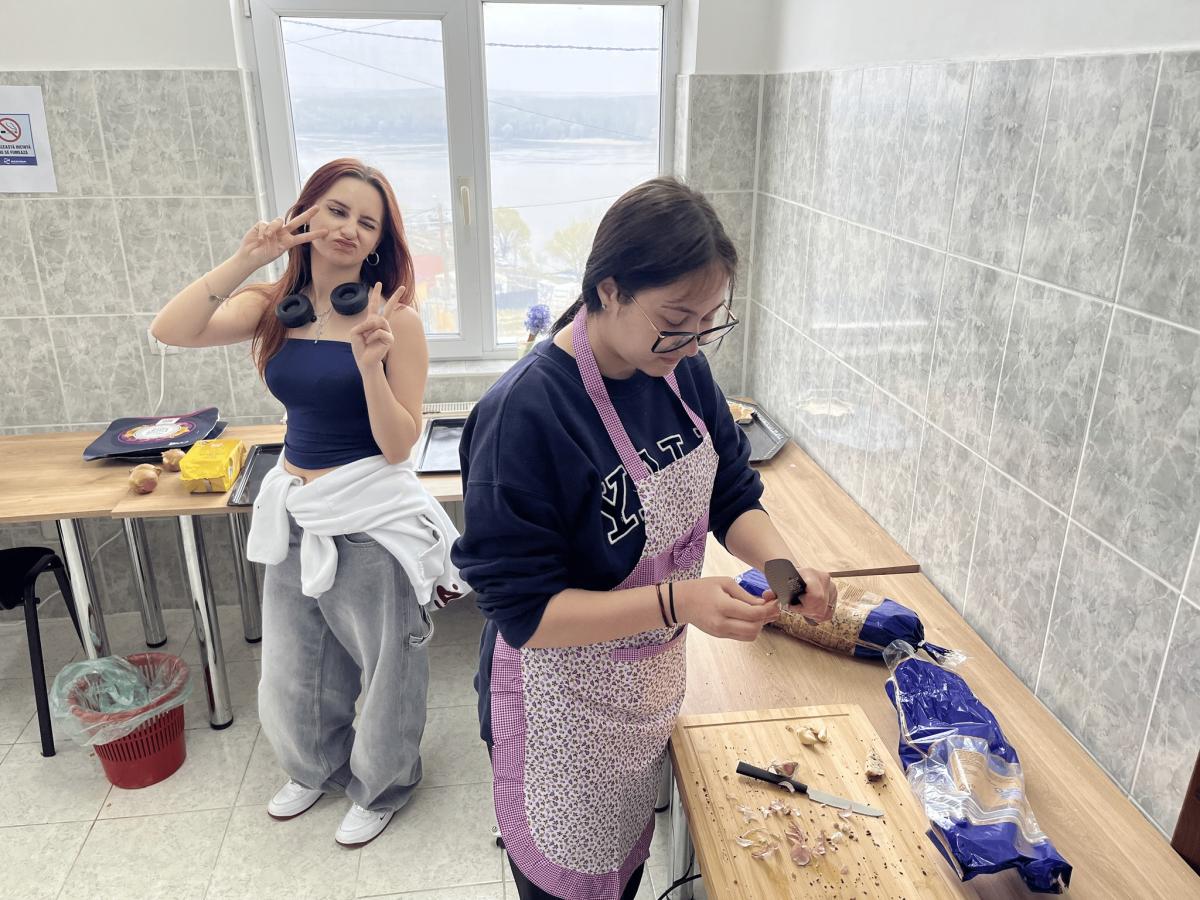
Organization of six community lunches, with food prepared by Hârșova 3D members and community volunteers
Equipping and preparing the community kitchen with necessary appliances and tools
Organization of a meeting with local authorities at the end of the project to present the results
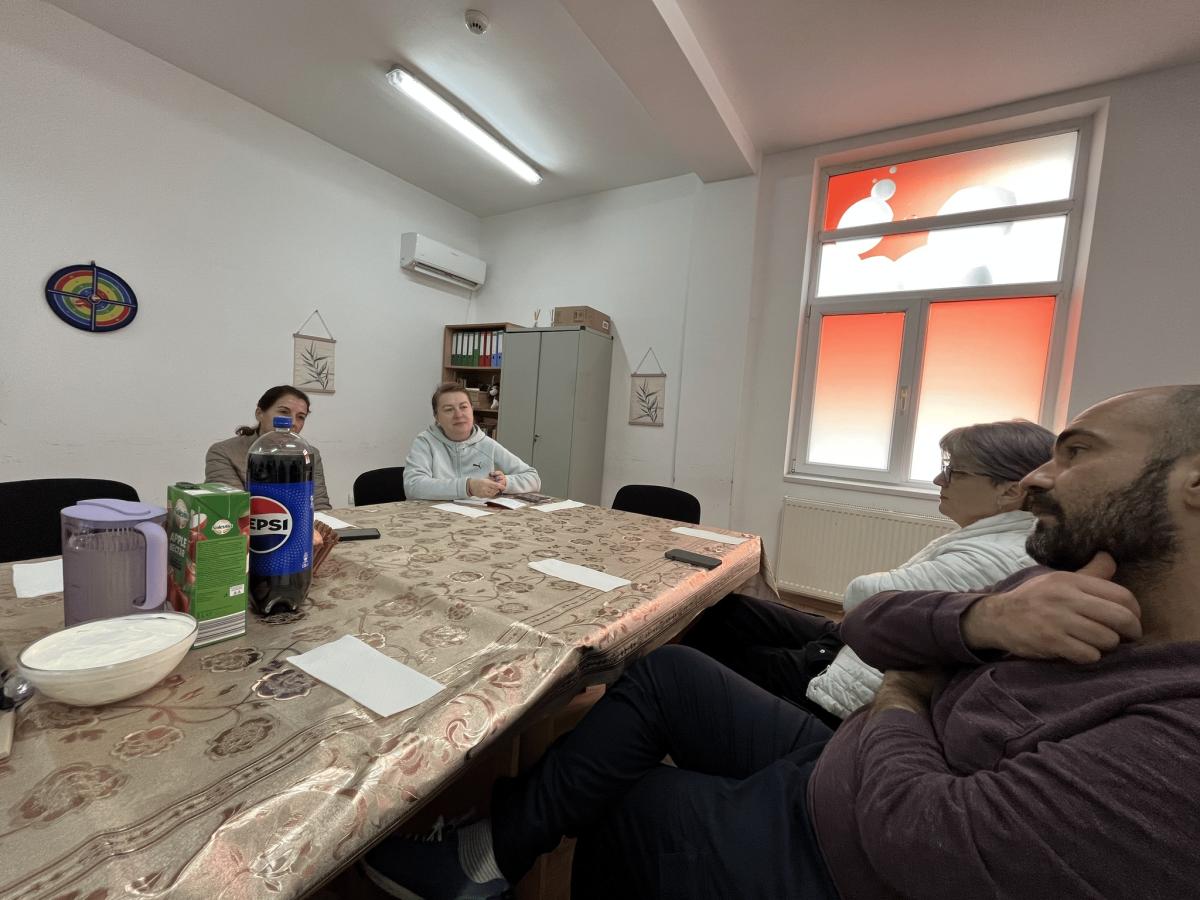
A series of community lunches were organized at the Hârșova Community Center, preceded by logistical preparation (purchasing raw materials, cleaning, setting up, setting up menus) and inviting participants.
The project managed to establish a bridge of communication with the adults of the community, especially with the parents (mothers and fathers), grandparents and young people with leadership potential.
The meals were served informally, sometimes in several rounds, creating a space for discussions and identifying the needs of the community.
At one of the first lunches, the community kitchen was also installed.
About us
H3D’s mission is to contribute to the sustainable development of the community in Hârșova and the surrounding villages through programs dedicated to children, young people, and adults, working to combat poverty and illiteracy, discrimination and xenophobia, separatism, and prejudice.