Green inclusion- new perspectives for the youth work field
Implementation period:
02.10.2025 - 08.10.2025
Funding source:
European Commission through the ERASMUS+ program
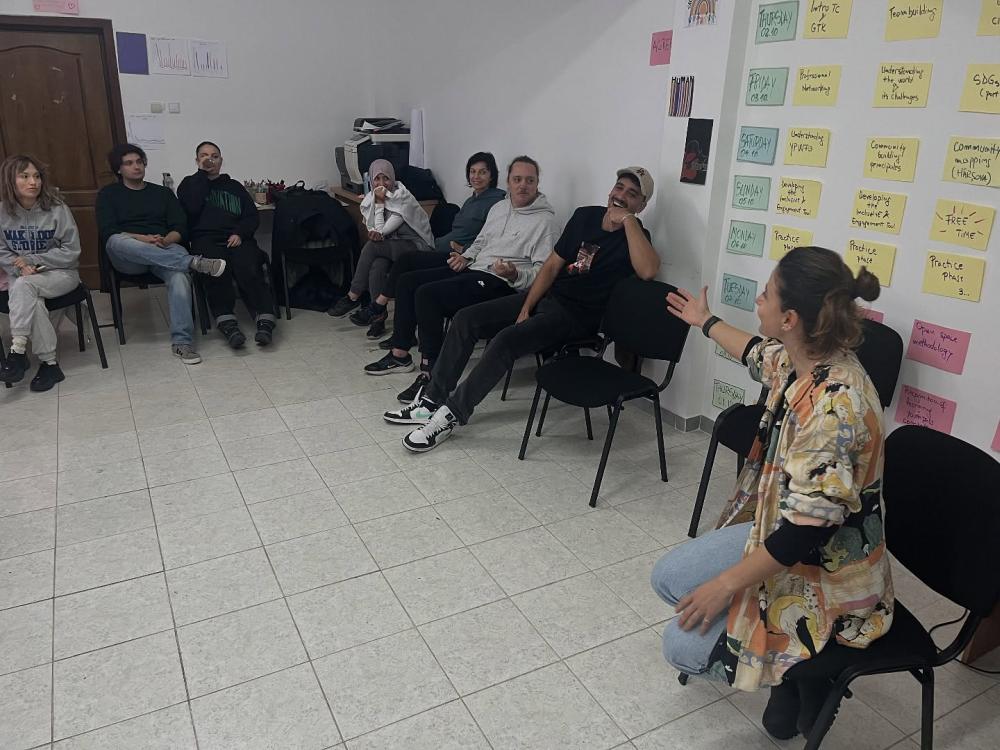
The project “Green inclusion- new perspectives for the youth work field” aimed to equip youth workers with the necessary skills and knowledge to integrate climate justice into their work, while ensuring the active participation of young people with fewer opportunities (YPWFO).
Strengthening the capacity of youth workers – Through an international training and collaborative learning process, 30 youth workers from 7 countries will acquire inclusive and sustainable methodologies for engaging young people in climate justice actions. This will enhance their capacity to make environmental initiatives accessible and relevant to marginalized youth.
Development and implementation of the Inclusive and Sustainable Engagement Toolkit – This toolkit will help youth organizations assess and improve their capacity to effectively engage YPWFO in climate-related activities and community-building efforts. By integrating this tool, youth workers and organizations will have a practical resource to ensure sustainable and inclusive participation in environmental initiatives.
Raising awareness and promoting action on climate justice – The project will directly engage at least 1,400 people from 7 countries in educational activities, advocacy efforts and inclusive green practices within youth activities. This will create a domino effect, encouraging a broader movement towards sustainability and inclusion in youth-led initiatives.
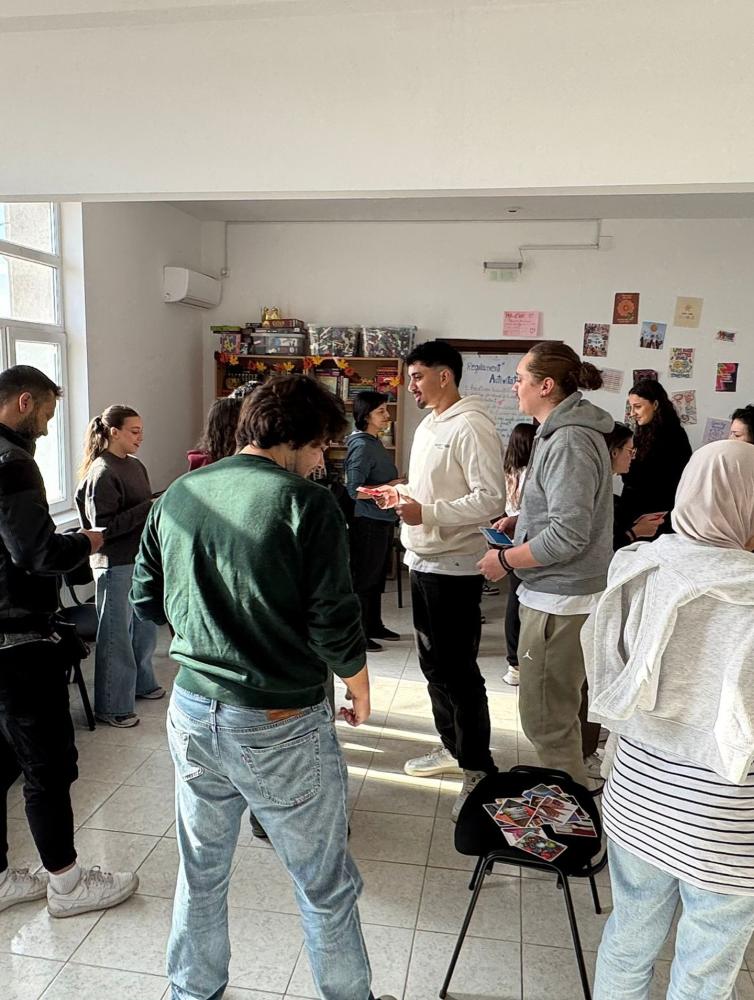
Day 1 – The first day starts with a presentation of the Training Course (TC), where participants express their individual expectations, fears and contributions, while also setting overall objectives. This is followed by outdoor teambuilding games, based on nature- and embodiment-oriented learning methods, which aim to strengthen group cohesion and develop the ability to successfully cooperate in teams and acquire inclusive learning competence.
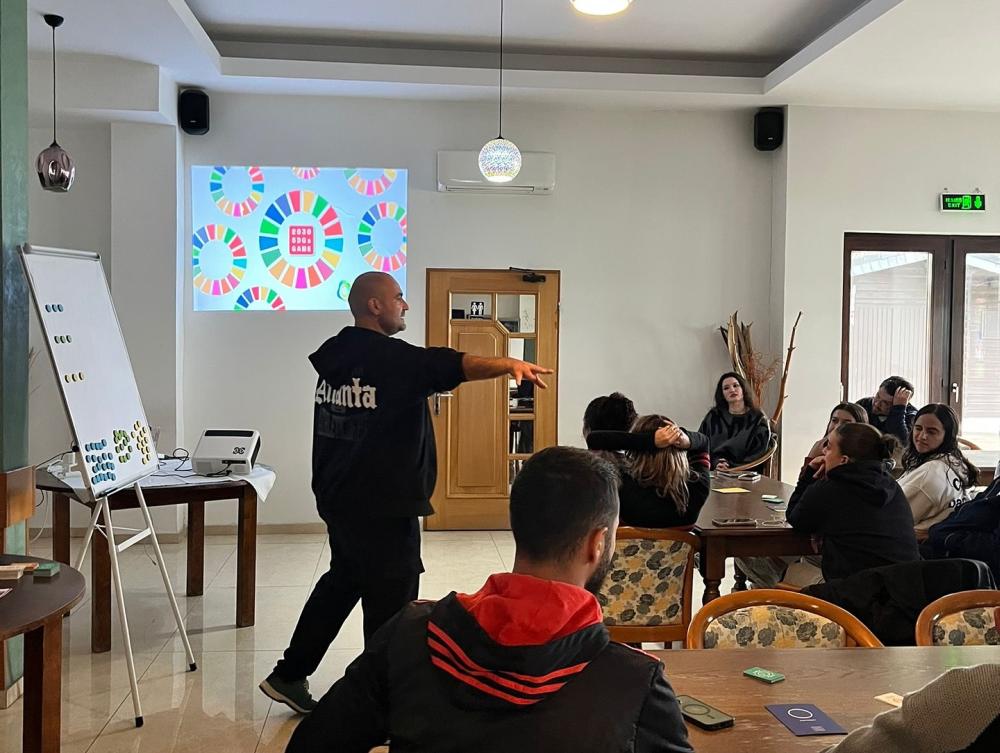
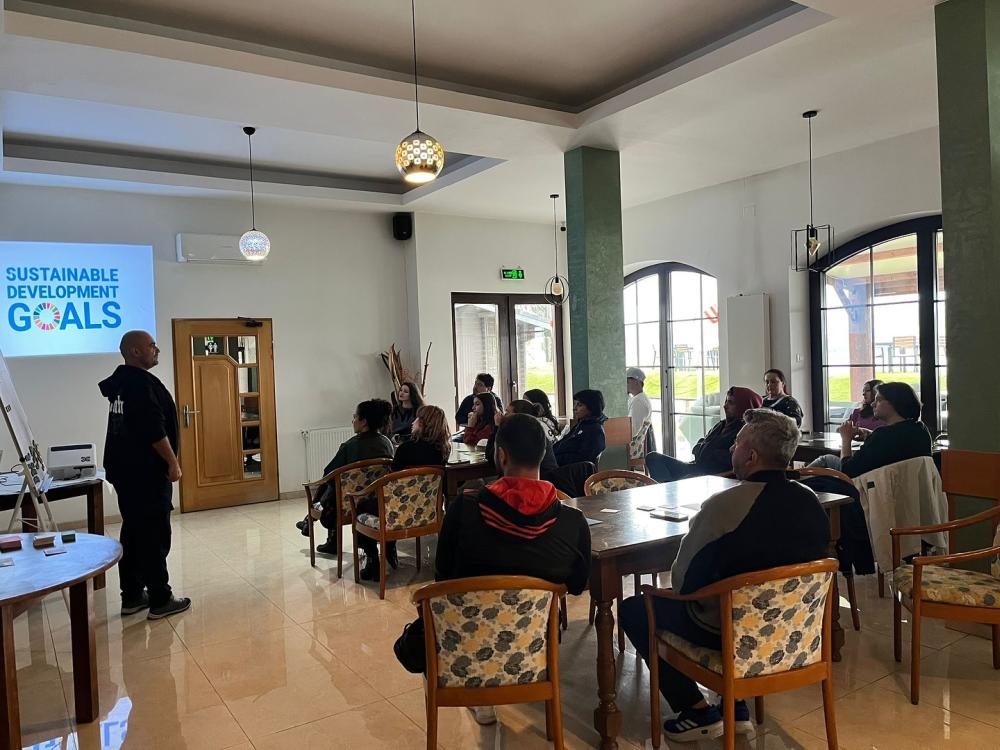
This is followed by a presentation on green inclusion, climate justice and the need to address the situation of marginalized youth, followed by a group discussion to identify local climate challenges and their impact. The activities continue with understanding the intersectionality between green inclusion and climate justice, through the analysis of relevant case studies.
Day 2 – The day begins with an in-depth definition of climate injustice, analyzing scientific data and the consequences for marginalized youth through presentations, debates and discussions, developing climate knowledge, critical thinking and cooperation.
Subsequently, the needs of marginalized youth and the topic of social inclusion are explored through the methods of “Walk and Talk” and “Hot Chair”, which help develop empathy, active listening and cultural competence.
Next, the need for a paradigm shift in youth work is addressed, reflecting on pedagogies and the role of youth work in green inclusion, using brainstorming and mind mapping to stimulate systemic thinking and creativity.
A separate section deals with the role of youth workers in this shift, the necessary skills and ways to improve the quality of work, using the case clinic method.
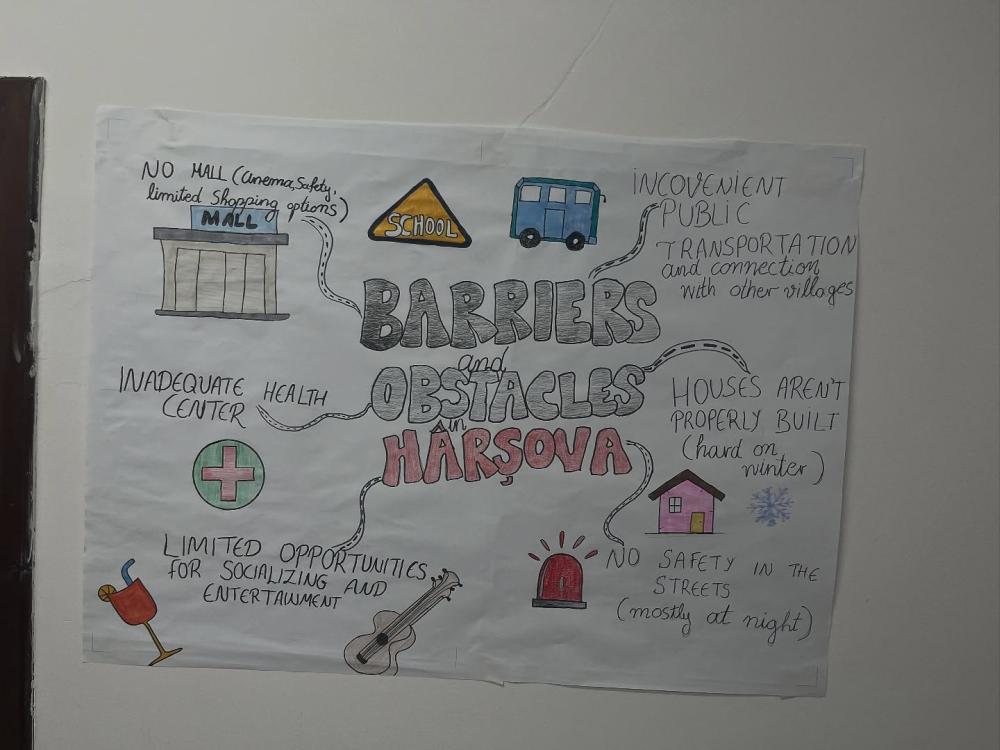
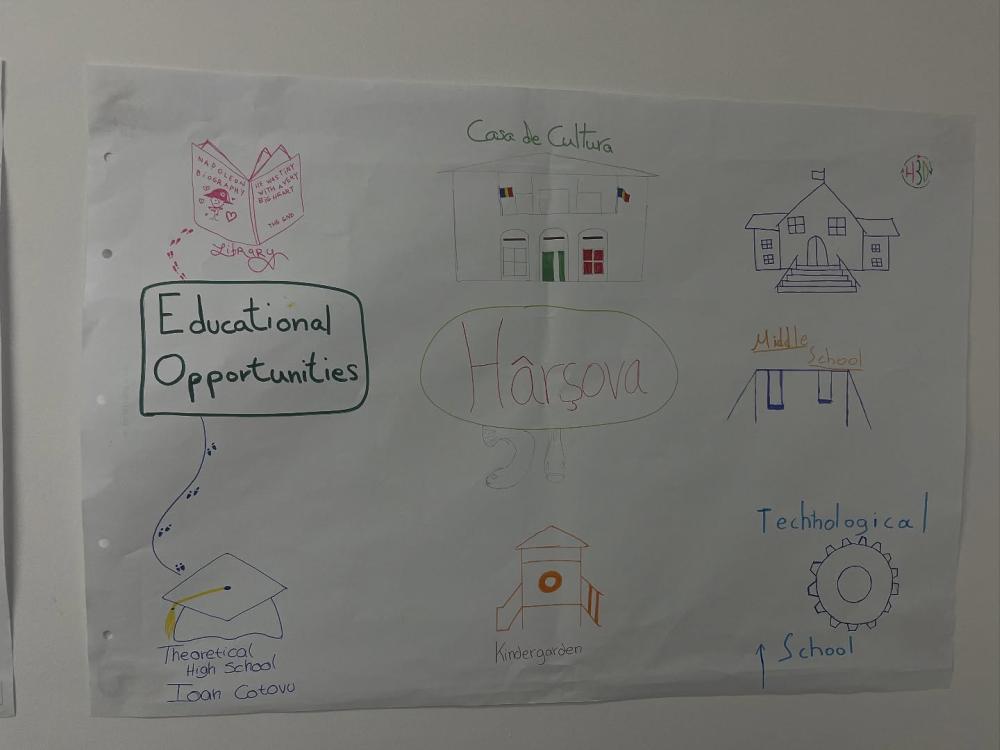
Day 3 – The day is dedicated to deepening the principles of community building applied to green inclusion and climate justice. The activity begins with “Community Mapping”, where participants collaboratively identify the strengths and challenges of their communities, categorized on a board. This is followed by discussing the “Principles of Community Building” in small groups, with a brief presentation, and applying the “Fishbowl” method for an in-depth debate of these principles.
Finally, participants work to create non-formal and participatory methods, based on their experience, aimed at young people with fewer opportunities, pursuing a holistic and green inclusion approach. These exercises develop the competence to facilitate nature-oriented learning and learning to learn.
Day 4 – The day is dedicated to the development of an Inclusive and Engagement Tool for assessing and improving youth work practices focused on green inclusion and climate justice. The session starts with a presentation by an expert in inclusive education, who provides theoretical and practical information on creating such a tool, especially for marginalized youth.
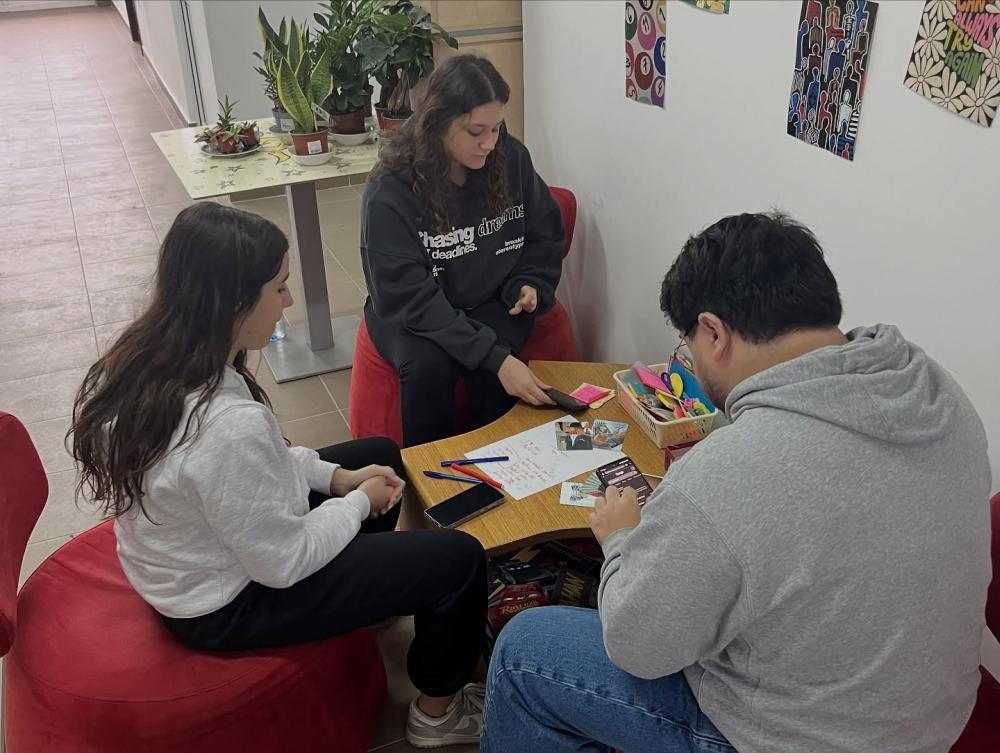
Afterwards, participants work intensively in groups to develop the tool, integrating local evaluation reports and taking into account community needs. The main goal is to strengthen the capacity to apply the tool in community development. Teams benefit from continuous support from facilitators and experts.
Day 5 – The day is dedicated to testing, applying and refining the previously created Inclusive and Engagement Tool, by simulating real-life scenarios.
The session is designed as an experiential learning cycle, using methods such as role-play, field immersion, peer observation and structured feedback to test the tool in various youth work contexts.
Participants will engage in a reflection process based on the experiential learning cycle, extracting key lessons from the testing phase and identifying ways in which they can apply the results in their future work with young people. Through these activities, they develop their competence in learning to learn.
Day 6 – The day is dedicated to reflecting on the experiences gained and identifying future needs. The Talking Stick method is used to facilitate an inclusive dialogue and promote active listening and individual reflection.
Afterwards, the Open Space methodology offers participants the opportunity to propose and debate additional topics, transforming the group into a resource for mutual learning. This encourages self-initiative and facilitation. The day ends with a discussion of the learning outcomes drawn by each participant.
Day 7 – The day starts with a presentation of the Erasmus+ Programme, detailing its objectives and funding opportunities. The Ca Method is used to facilitate understanding and exploration of the information.
Then, in national groups, participants plan to continue the community building process and apply the Inclusive and Engagement Tool in their local practice, developing concrete measures. These activities develop cooperation and the capacity to facilitate learning in a community context.
Finally, the session focuses on recognising learning through Youthpass and self-assessment. The “Competence Marketplace” is used, where participants visit stations representing the 8 Youthpass Key Competences to reflect on and record concrete examples of their learning
About us
H3D’s mission is to contribute to the sustainable development of the community in Hârșova and the surrounding villages through programs dedicated to children, young people, and adults, working to combat poverty and illiteracy, discrimination and xenophobia, separatism, and prejudice.